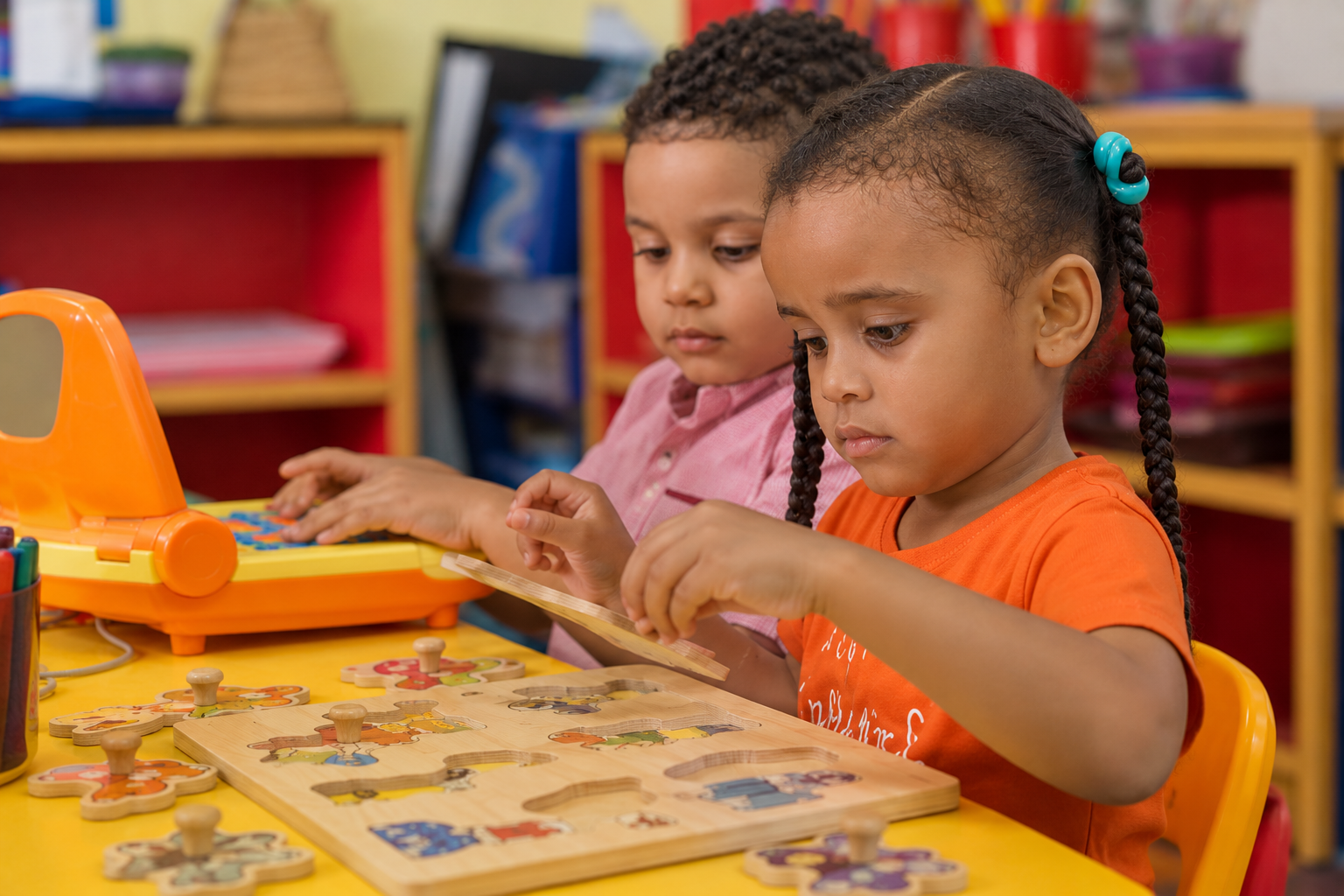
At The RiverBank School, our Early Years provision is built around the principles of the Early Years Foundation Stage (EYFS), creating a nurturing environment where every child can learn, explore and thrive. Through purposeful play, engaging experiences and caring relationships, we develop strong foundations in communication, literacy, physical development, confidence and creativity.
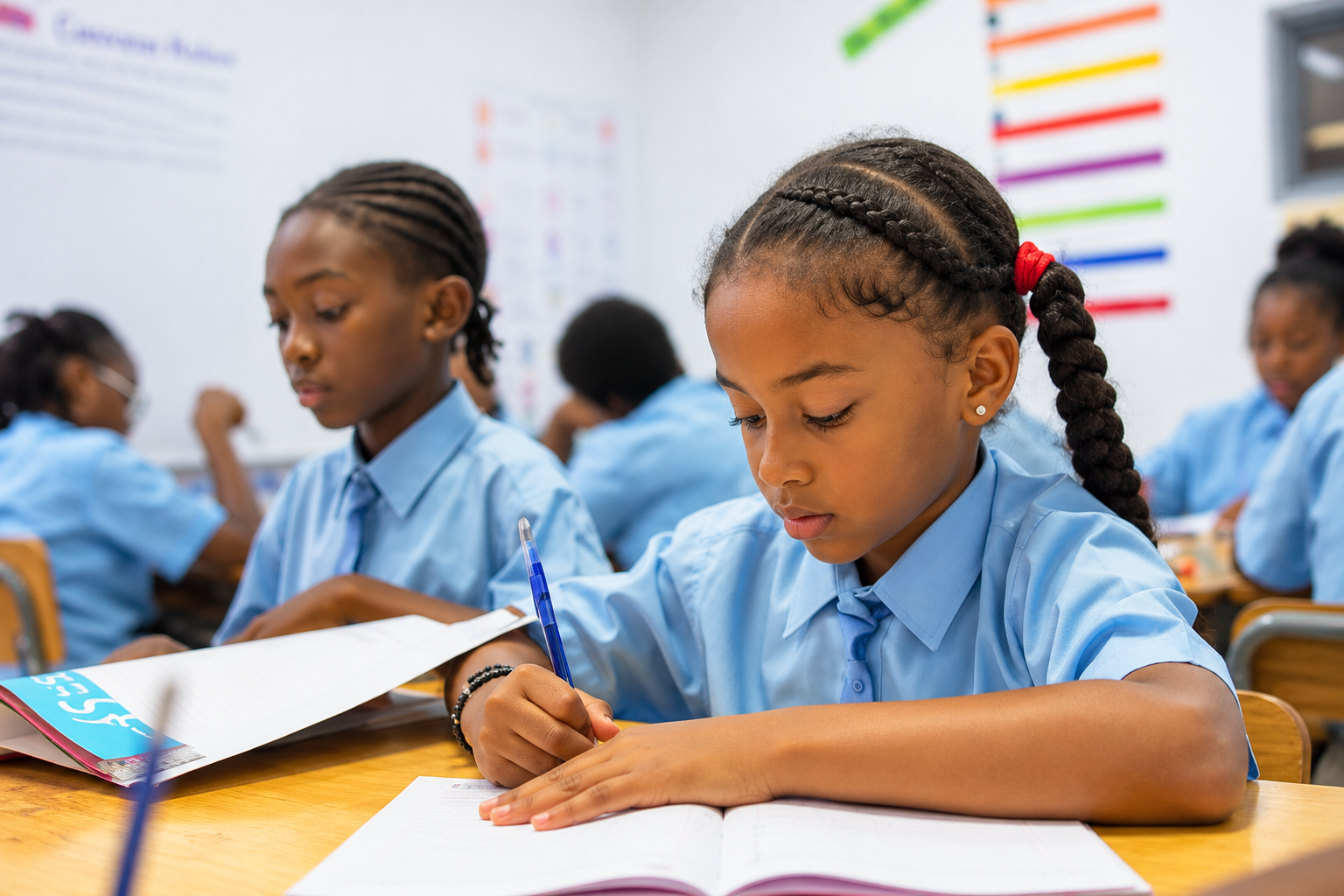
our Primary School provides a stimulating and supportive learning environment where children develop academically, socially and personally. Through an engaging and well-rounded curriculum, we encourage curiosity, creativity, confidence and independent thinking. We build strong foundations in English, mathematics, science and the wider curriculum, while nurturing the skills, character and resilience children need to become confident lifelong learners.
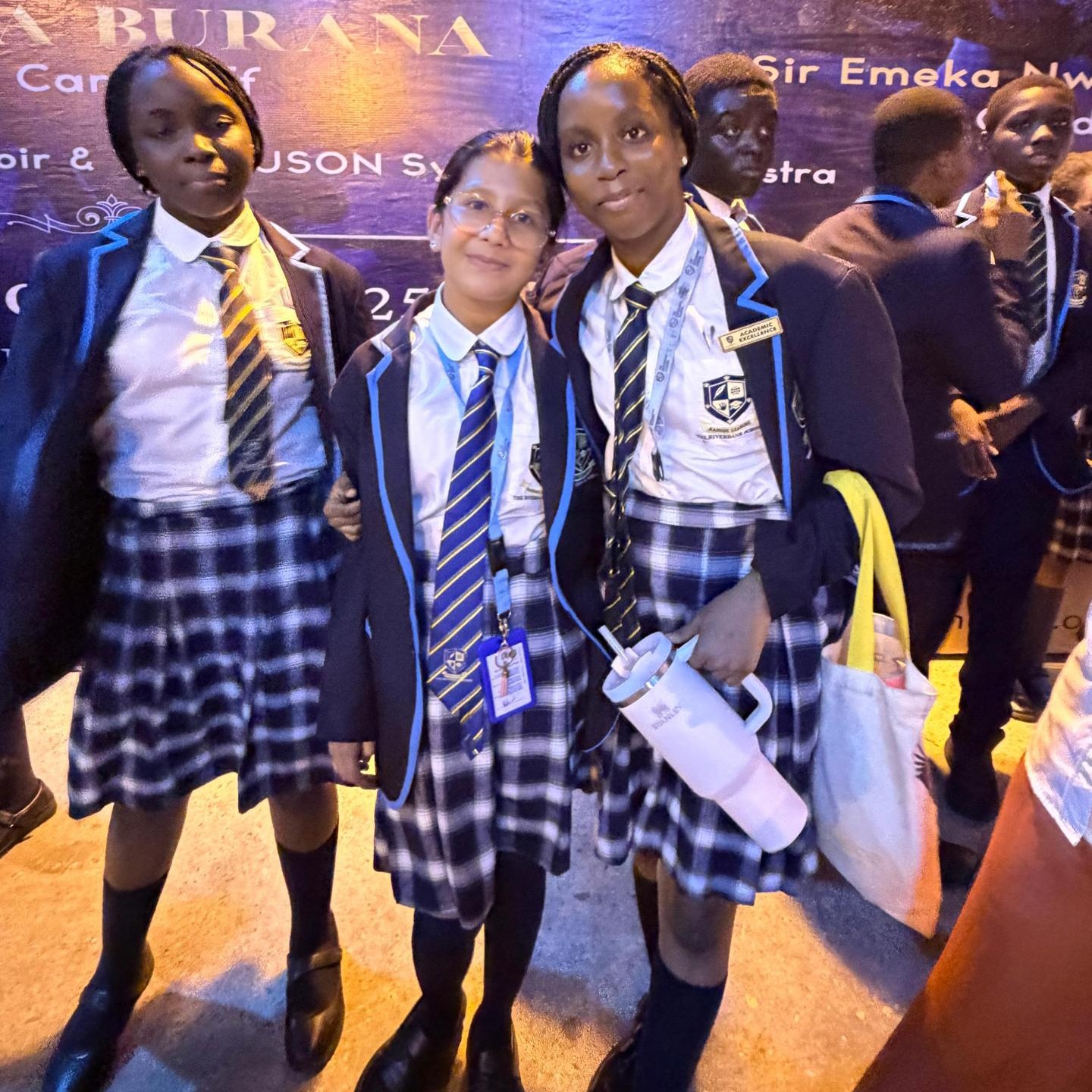
Our Secondary School empowers students to develop the knowledge, confidence and skills needed to succeed in a changing world. Through a challenging and engaging curriculum, we encourage critical thinking, independence, creativity and leadership. We prepare students for academic success while nurturing their character, aspirations and sense of responsibility, equipping them to make a positive impact in their communities and beyond.
At The RiverBank School, our Early Years provision is built around the principles of the Early Years Foundation Stage (EYFS), creating a nurturing environment where every child can learn, explore and thrive. Through purposeful play, engaging experiences and caring relationships, we develop strong foundations in communication, literacy, physical development, confidence and creativity.
our Primary School provides a stimulating and supportive learning environment where children develop academically, socially and personally. Through an engaging and well-rounded curriculum, we encourage curiosity, creativity, confidence and independent thinking. We build strong foundations in English, mathematics, science and the wider curriculum, while nurturing the skills, character and resilience children need to become confident lifelong learners.
Our Secondary School empowers students to develop the knowledge, confidence and skills needed to succeed in a changing world. Through a challenging and engaging curriculum, we encourage critical thinking, independence, creativity and leadership. We prepare students for academic success while nurturing their character, aspirations and sense of responsibility, equipping them to make a positive impact in their communities and beyond.
At The RiverBank School, we believe every child deserves a broad, balanced and inspiring education that prepares them not only for academic success, but also for life in an increasingly connected and changing world.
Our curriculum is based on the National Curriculum of England and Wales, enriched by our international and intercultural outlook and shaped around the individual needs, abilities and aspirations of every child.
Our highly qualified and experienced teachers bring a strong knowledge of the British educational system and an understanding of the diverse backgrounds and experiences of our pupils.
The RiverBank School continually reviews and adapts its curriculum to respond to the changing educational needs of our pupils and the increasingly complex demands of the 21st century.
We believe learning should be:
Through rich and varied learning experiences, we challenge and stimulate our pupils, encouraging them to ask questions, make connections, solve problems and develop a genuine enjoyment of learning.
We believe children learn best when they are actively involved in their learning.
Our Creative Curriculum places emphasis on practical, first-hand experiences and opportunities to explore ideas across different areas of learning.
This approach enables pupils to:
Our curriculum is carefully planned to provide continuity and progression, ensuring that children build successfully on what they already know while developing the knowledge, skills and understanding they need for the next stage of their education.
Our curriculum aims to provide every child with the foundations for lifelong learning and personal development.
Promote strong foundations in literacy and numeracy
Develop high standards in reading, writing and mathematics.
Develop scientific understanding
Enable children to acquire knowledge, skills and understanding in science and develop curiosity about the world around them.
Develop digital confidence
Enable children to become confident and responsible users of ICT, computers and computing technologies.
Nurture spiritual development
Support children’s spiritual development in accordance with the Christian teachings and values of the school.
Promote healthy development
Support children’s physical and mental development while developing an understanding of the importance of healthy lifestyles.
Celebrate creativity and culture
Enable children to participate in and appreciate the arts, creativity and cultural expression.
Celebrate Nigerian heritage
Help children understand and appreciate Nigeria’s rich cultural heritage while promoting positive Nigerian values.
Develop moral awareness
Enable pupils to develop moral sensibility through carefully taught values and positive relationships.
Build personal and social skills
Develop confidence, resilience, communication, cooperation and the ability to form positive relationships.
Promote equality and opportunity
Provide equality of access and opportunities for every pupil to make progress and achieve their potential.
Prepare children for an international future
Equip pupils with the knowledge, skills, values and confidence they need to embrace the opportunities, responsibilities and experiences of adult life wherever their future takes them.
Through rich and varied learning experiences, we aim to develop pupils who are able to:
Education at The RiverBank School extends beyond academic achievement.
We aim to nurture caring, confident and responsible young people who understand their place within their families, communities, country and the wider world.
We want our pupils to become individuals who:
The RiverBank School’s curriculum is designed to prepare children for a world that is constantly changing.
Alongside strong academic foundations, we develop the confidence, creativity, communication, collaboration, critical thinking and independence that children need to thrive in the 21st century.
Our aim is simple:
To inspire a lifelong love of learning and equip every child with the knowledge, skills, values and confidence to thrive.
At The RiverBank School, we are committed to creating an environment where every child can explore, imagine, learn, discover and achieve.
Through inspiring teaching, practical experiences, strong values and a caring learning community, we empower every pupil to develop their potential and become a confident, capable and responsible citizen of the world.
The RiverBank School offers a broad and balanced curriculum based on the National Curriculum of England and Wales. The inspiring teaching staff at The RiverBank School reflects the international and intercultural nature of the school. All our teachers are highly qualified and have an excellent knowledge of the British Educational System.
The RiverBank School delivers a curriculum which is reviewed and adapted as and when necessary to take account of the changing educational needs of all of our pupils as they face the increasingly complex demands of the 21st Century. The curriculum is based on a clear set of aims which reflect the educational philosophy of the school.
At RiverBank School we believe that our curriculum should be broad, balanced and relevant and meet the needs of all children whatever their ability.
We ensure the children have a range of learning experiences that challenge, stimulate and promote thinking and learning through a creative curriculum which is based on firsthand experience. This enables us to provide a high standard of teaching and learning.
The aims of the curriculum are to:
Through the provision of rich and varied activities, we aim to:
We aim to foster a life-long love of learning, through adopting a highly practical and cross-curricular approach. Our Creative Curriculum aims to deliver a twenty-first century education that will equip our children with the skills required to be independent and responsible citizens.
Our curriculum aims to develop caring and responsible citizens who:
Copyright © 2026 The RiverBank School Lagos. All rights reserved.